
How Noise Pollution Affects Infants
(0-2 Years)
Understanding the critical impact of noise on your baby's development and well-being
The Impact of Noise on Infant Development
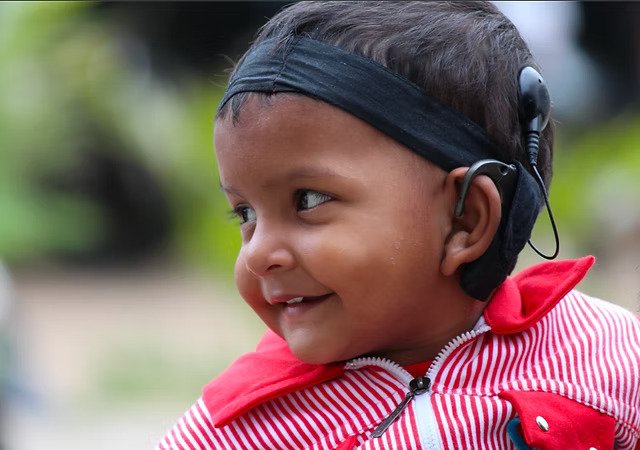
Hearing Development Impairment
An infant’s auditory system is still developing and particularly vulnerable to damage from loud noises. Prolonged exposure to noise levels above 70 dB can cause permanent hearing damage, affecting their ability to process sounds correctly throughout life.
Protection Tips:
Keep noise levels below 60 dB in your baby’s environment. Use sound-absorbing materials in the nursery and avoid exposing infants to loud events or environments.
Sleep Pattern Disruption
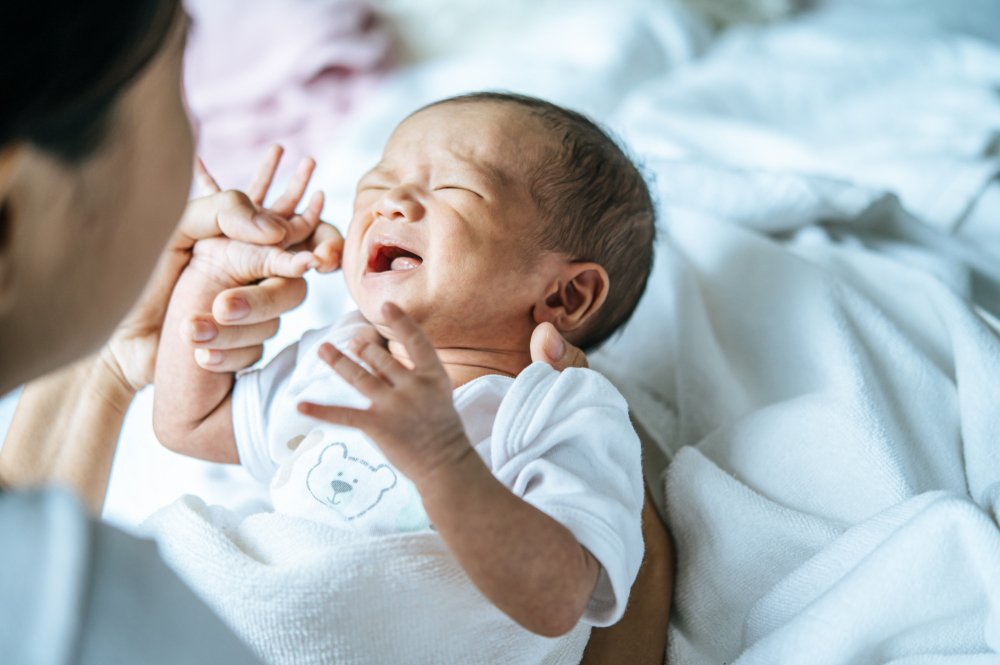
Noise pollution significantly disrupts infant sleep cycles, which are crucial for brain development and growth. Interrupted sleep can lead to irritability, feeding difficulties, and impaired cognitive development.
Protection Tips:
Create a quiet sleep environment using white noise machines to mask disruptive sounds. Establish a consistent bedtime routine and soundproof the nursery when possible.
Increased Cortisol Levels
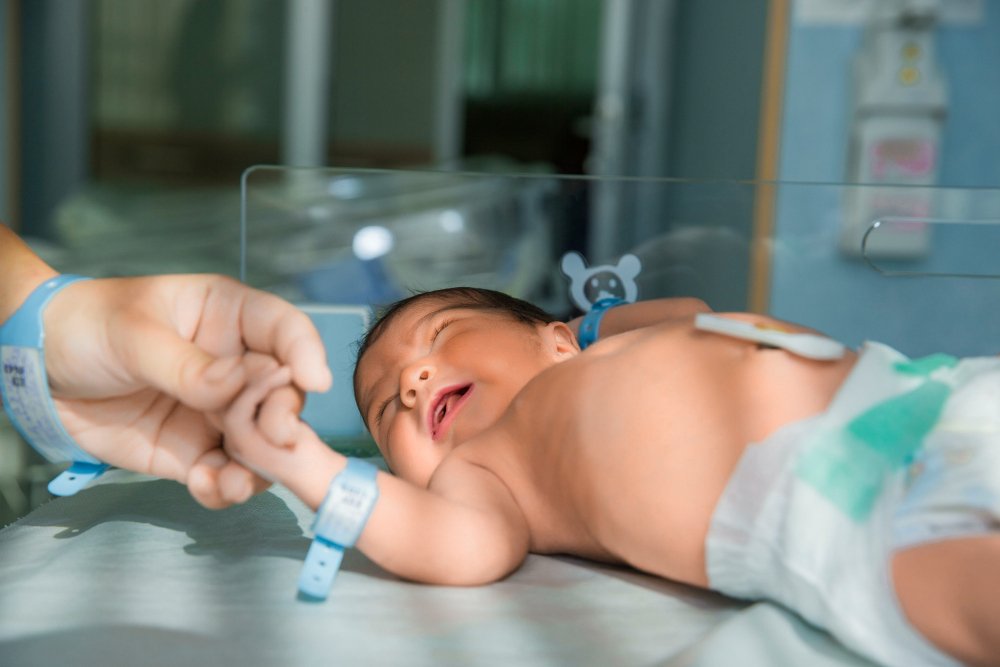
Loud or sudden noises trigger stress responses in infants, elevating cortisol levels. Chronically high cortisol can impair brain development, weaken the immune system, and increase susceptibility to illness.
Protection Tips:
Maintain a calm, predictable environment. Use soft background music or nature sounds to create a soothing atmosphere and minimize sudden loud noises.
Language Acquisition Delays
Background noise interferes with an infant’s ability to distinguish speech sounds, which is fundamental to language development. This can lead to delayed speech milestones and difficulties with communication skills.
Protection Tips:
When talking to your baby, reduce background noise. Create quiet times for interaction and reading. Face your baby when speaking to help them focus on your voice.
Creating a Quiet Environment for Your Infant
Soundproof the Nursery
Use heavy curtains, rugs, and acoustic panels to absorb noise. Seal gaps around doors and windows to block external sounds.
Monitor Noise Levels
Use a sound level meter app to monitor your baby's environment. Keep levels consistently below 60 dB, especially during sleep times.
Choose Quiet Toys
Select toys with appropriate volume controls or that produce gentle sounds. Avoid toys with sudden loud noises or high-pitched sounds.
Establish Quiet Times
Designate specific times of day for quiet activities like reading and bonding. This helps regulate your baby's auditory system.
Join our mission to protect babies from loud environments
Join our mission to protect infants from noise pollution. Help create quieter environments that safeguard their hearing, sleep, and healthy development. Your commitment makes a difference.
