
Noise Pollution Crisis in India
How excessive noise is silently harming our health, children, and environment
What is Noise Pollution?
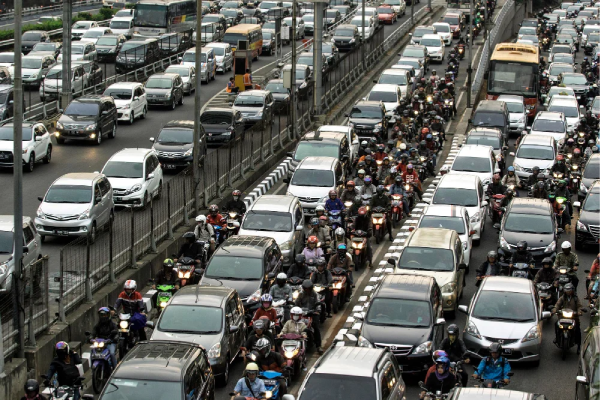
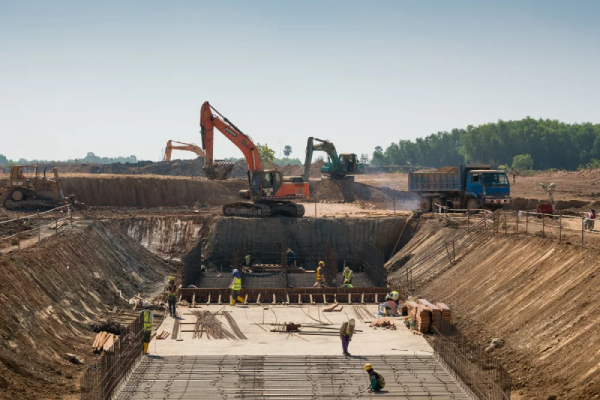
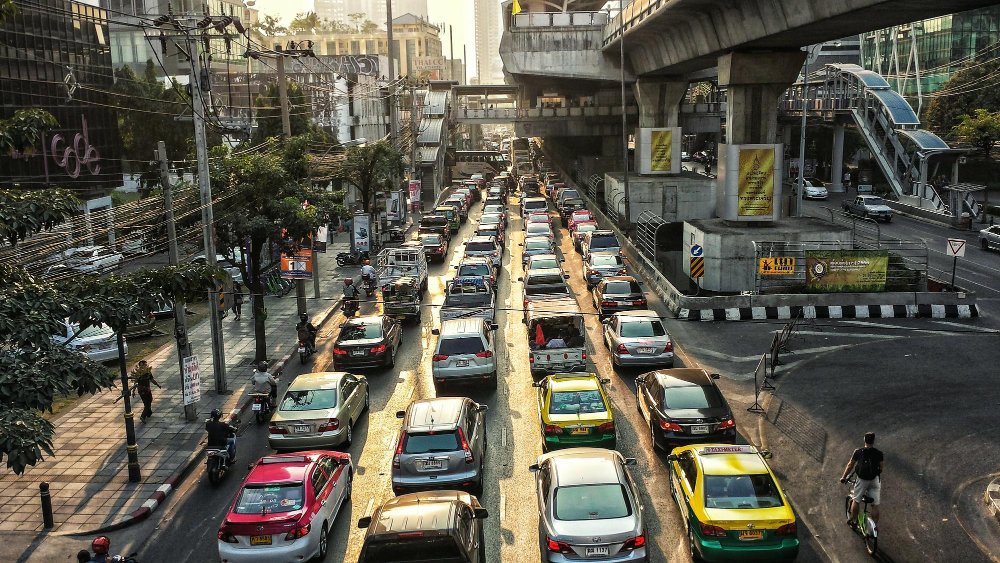
Noise pollution refers to harmful or disturbing levels of sound that interfere with the natural balance of human and animal life. In India, common sources include traffic, construction, industrial activities, and loudspeakers, often exceeding safe decibel levels.
The World Health Organization recommends noise levels below 55 dB during the day and 45 dB at night for residential areas. However, many Indian cities consistently surpass these limits.
Decibel Danger Scale
See how everyday sounds compare to dangerous noise levels:


Who Does Noise Pollution Affect?
The vulnerable suffer most from uncontrolled noise pollution
India's Noise Crisis by the Numbers
The startling statistics that reveal the scale of our noise pollution problem
Why Noise Pollution Isn't Just a City Problem
Many believe noise pollution only affects crowded cities. However, rural and semi-urban areas are facing increasing noise levels too - from tractors, loudspeakers during festivals, and nearby highways.
The peace once enjoyed in these areas is slowly fading. These communities often have less awareness and fewer regulations in place. The sudden increase in noise can disturb wildlife, affect livestock, and even disrupt children's sleep and learning.
Take Action Against Noise Pollution
Join thousands of Indians fighting for quieter, healthier cities
